Serving Broward, Palm Beach & Miami-Dade




Where Does My South Florida Home Lose The Most Cool Air From?


Homes commonly lose cooling through gaps around windows and doors, poorly insulated attics, leaking or poorly insulated ductwork, gaps around walls and floors, and ventilation problems. If your AC runs often but your home still feels warm, checking these areas can help you find where you’re losing efficiency.
Keeping a South Florida home comfortable takes more than a working air conditioner. Your home also needs to keep conditioned air where it belongs and limit how much outdoor heat gets inside.
Air leaks, insulation problems, and leaky ductwork can all make your AC work harder. You may notice higher energy use, longer cooling cycles, or rooms that never feel as comfortable as the rest of the house.
Here are five places to check when your home struggles to stay cool.
Where Does a Home Lose Cool Air?
Cooling problems can happen in several parts of the home. Some let conditioned air escape, while others let hot, humid outdoor air enter.
Common problem areas include:
- Windows and doors: Gaps, cracks, and worn seals can allow air to move in and out of the home.
- Attic: Poor insulation and air leaks can make it harder to keep the rooms below comfortable.
- AC ductwork: Leaks can allow conditioned air to escape before it reaches your living spaces.
- Walls and floors: Gaps and poorly sealed openings can contribute to unwanted air movement.
- Ventilation: Airflow or ventilation problems can affect indoor comfort and cooling efficiency.
The source of the problem will vary from one home to another. If you are not sure where to start, pay attention to which rooms feel warmer and whether your AC seems to run longer than it used to.
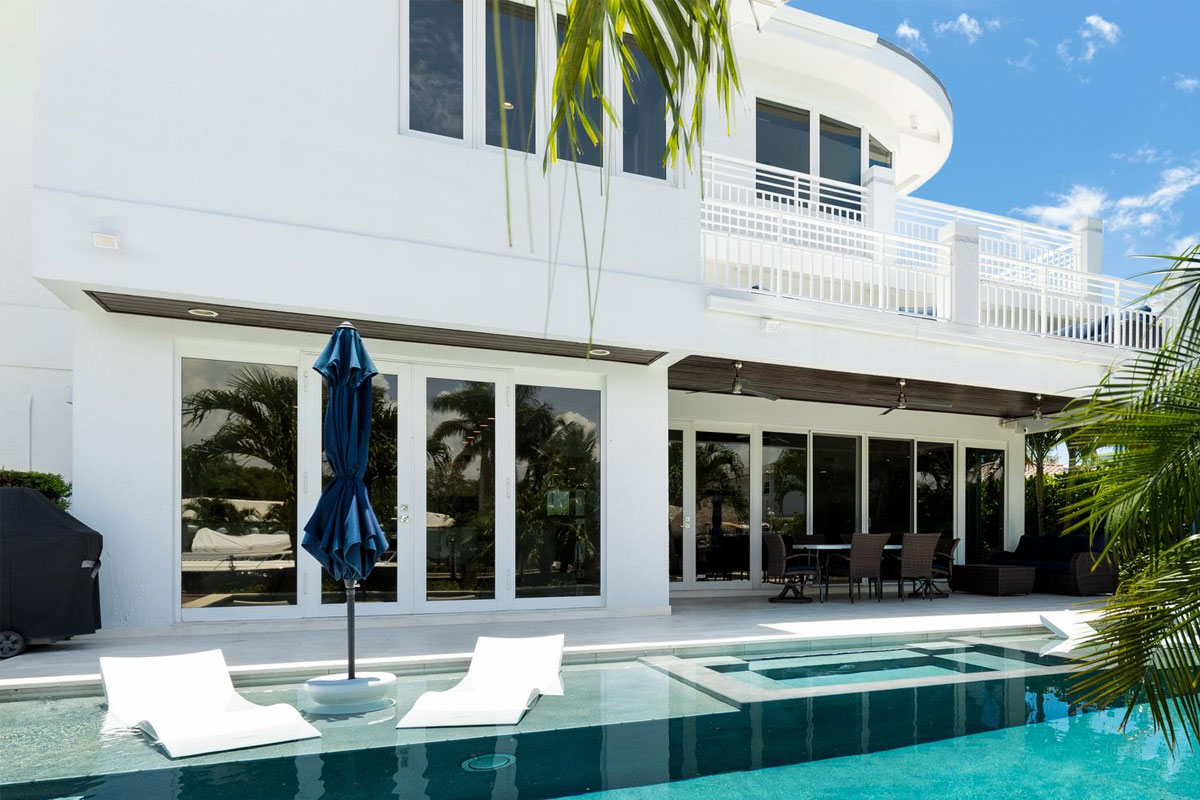
Can Windows and Doors Cause Cool Air Loss?
Yes. Windows and doors are common places for unwanted air leakage.
Small gaps around frames can allow conditioned indoor air out while letting warm, humid outdoor air in. Older windows, damaged seals, and worn weatherstripping can make the problem worse.
Signs of air leaks around windows and doors may include:
- Warm air near the edges of a window or door
- Visible gaps around frames
- Cracked or worn caulk
- Damaged weatherstripping
- Rooms near exterior doors or windows that feel warmer than the rest of the home
Replacing worn weatherstripping and sealing gaps around frames can help reduce unwanted air movement. If your windows or doors are older or damaged, you may want to consider more extensive improvements.
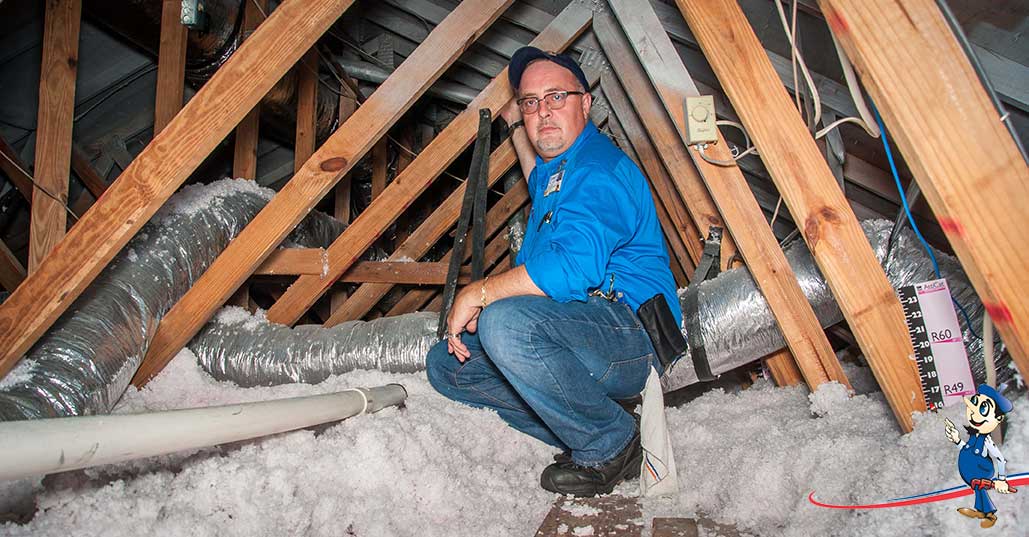
Can Poor Attic Insulation Make Your Home Feel Warmer?
Your attic can greatly affect how comfortable the rooms below feel.
The roof and attic are exposed to intense outdoor heat, especially during a South Florida summer. Insulation slows the transfer of that heat into your home’s living areas.
If attic insulation is missing, damaged, or insufficient, your AC may have to work harder to maintain the temperature you want.
Possible signs of an attic insulation problem include:
- Upstairs rooms that are difficult to cool
- Rooms below the attic that feel noticeably warmer
- Long AC cooling cycles
- Indoor temperatures that rise quickly during hot weather
Checking the condition and amount of attic insulation can help determine whether heat entering through the attic is contributing to your comfort problems.
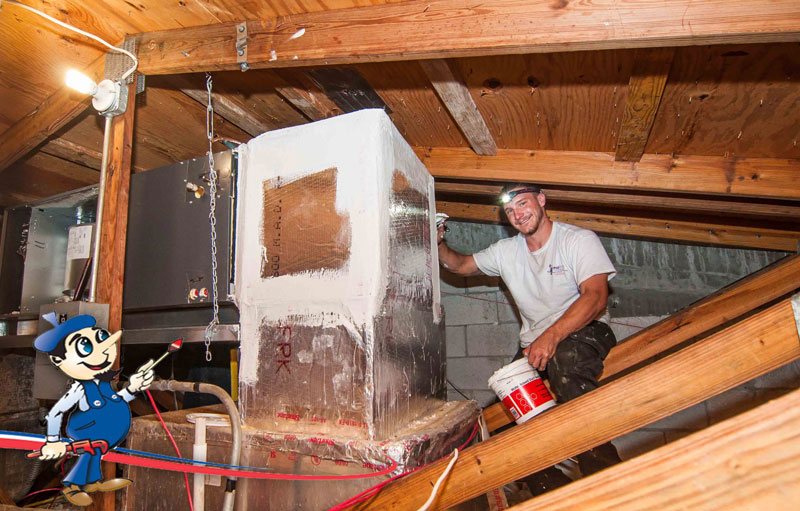
Can Leaky Air Ducts Waste Cool Air?
Yes. Leaky ductwork can prevent some of the conditioned air your AC produces from reaching the rooms in your home.
Your duct system carries cooled air from the HVAC equipment to your vents. If a duct has gaps, damaged connections, or other leaks, some of that air can escape along the way.
The problem can be especially noticeable when ductwork runs through a hot attic or another unconditioned area.
Signs that your ductwork may need attention include:
- Some rooms are consistently warmer than others
- Airflow from certain vents feels weak
- Your AC runs for long periods
- Cooling seems uneven throughout the home
- Energy use has increased without an obvious reason
An HVAC professional can inspect the ductwork for leaks, damaged sections, insulation problems, and airflow issues. Sealing leaking connections or repairing damaged ducts can help more conditioned air reach the rooms that need it.
Can Walls and Floors Contribute to Air Leaks?
Air can also move through small gaps and openings in walls and floors.
You may find these openings around areas where plumbing, wiring, vents, and other components pass through the structure. Small gaps may not seem significant on their own, but several leaks throughout the home can add up.
Insulation also matters. Areas with inadequate insulation can allow more heat to move into the home, making it harder to maintain comfortable indoor temperatures.
Potential problem areas include:
- Gaps around plumbing penetrations
- Openings around electrical components
- Cracks around exterior walls
- Poorly sealed areas where building materials meet
- Areas with missing or inadequate insulation
Sealing unwanted openings and addressing insulation problems can help create a more consistent indoor environment.
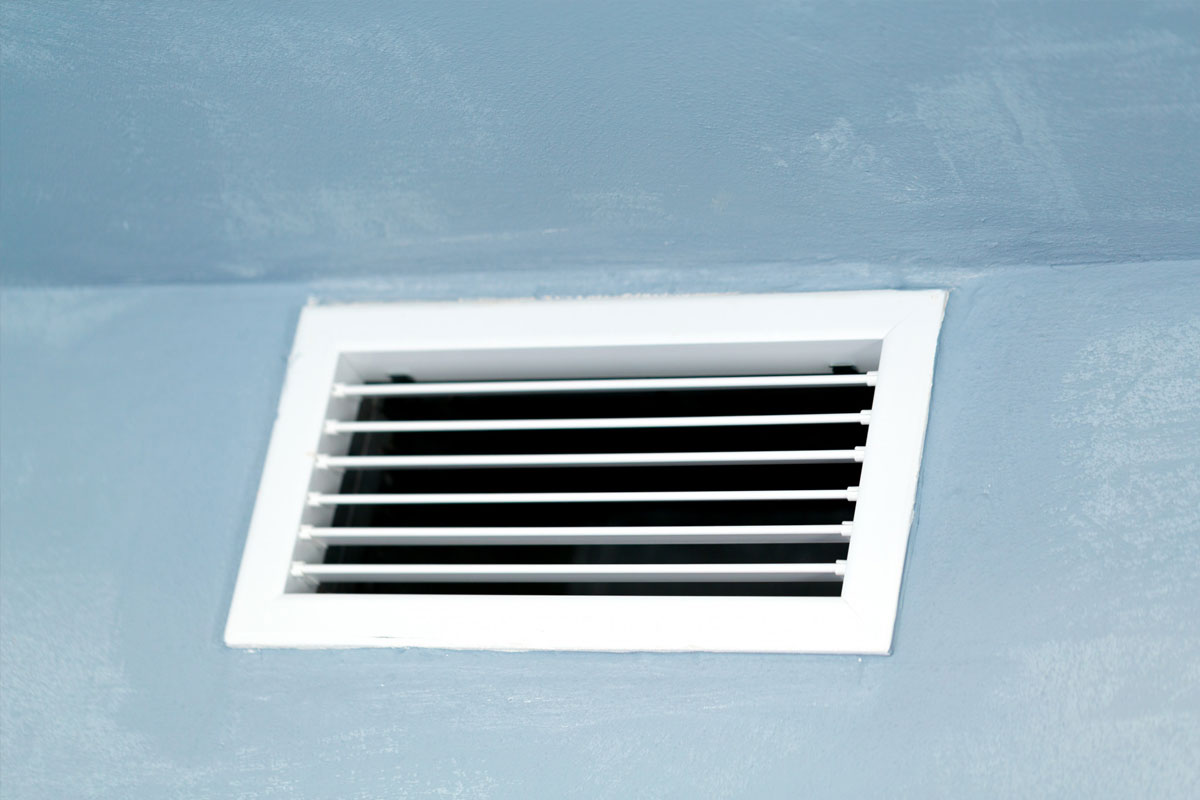
Can Ventilation Problems Affect Home Cooling?
Ventilation and airflow also affect how comfortable your home feels.
Your HVAC system needs to move air effectively throughout the house. When airflow is poor or ventilation is not working as intended, some rooms may feel warmer or more humid than others.
You may notice:
- Uneven temperatures between rooms
- Rooms that feel stuffy
- Weak airflow from vents
- Indoor humidity that feels too high
- An AC system that struggles to keep the home comfortable
Because several HVAC problems can cause these symptoms, a professional inspection can help determine whether the issue involves ventilation, airflow, ductwork, or the AC system itself.
How Can You Find Where Your Home Is Losing Cool Air?
Start by looking for patterns.
Walk through your home while the AC runs and compare temperature and airflow from room to room. Check windows and doors for obvious gaps, and pay attention to rooms below the attic or near exterior walls.
A few questions can help narrow down the problem:
- Are certain rooms always warmer than others?
- Is the airflow weaker from some vents?
- Does the AC run for long periods without reaching the thermostat setting?
- Can you feel warm air around windows or exterior doors?
- Are rooms below the attic especially difficult to cool?
- Has your energy use increased even though your cooling habits have not changed?
These clues can help point you toward the source, but not every air leak or duct problem is easy to see.
An HVAC professional can inspect the system and look for problems that may be affecting airflow, duct performance, and overall cooling.
How Can You Reduce Cool Air Loss?
The right solution depends on where the problem is coming from.
Common improvements may include:
- Sealing gaps around windows and doors
- Replacing worn weatherstripping
- Improving attic insulation
- Sealing leaking duct connections
- Repairing damaged ductwork
- Checking duct insulation
- Sealing gaps around walls and floors
- Correcting airflow or ventilation problems
It is also important to make sure the AC itself is operating properly. A home can have good insulation and sealed windows but still struggle to stay comfortable if the cooling system has a performance problem.
When Should You Call an HVAC Professional?
Consider having your home and AC system checked if you have made basic improvements but still cannot keep the house comfortable.
Professional help may be useful if:
- Your AC runs almost constantly
- Some rooms stay much warmer than others
- Airflow is weak or inconsistent
- You suspect the ductwork is leaking
- Your home feels unusually humid
- Your energy use has increased
- Your AC struggles to reach the thermostat setting
These symptoms do not always mean conditioned air is escaping from one particular place. They can also point to ductwork, airflow, insulation, or AC performance problems.
Finding the real cause helps you make the right improvement instead of guessing.
Keep Your South Florida Home Comfortable With Art Plumbing, Air Conditioning & Electric
If your AC is running but your home still feels warmer than it should, the cooling system may not be the only thing to check.
Air leaks, attic insulation, ductwork, and airflow can all affect how well your home holds onto the comfort your AC provides.
Art Plumbing, Air Conditioning & Electric can inspect your cooling system, identify problems that may be affecting comfort and efficiency, and recommend the right solution for your home.
Contact Art Plumbing, Air Conditioning & Electric to schedule AC service and find out what may be keeping your home from staying cool.